

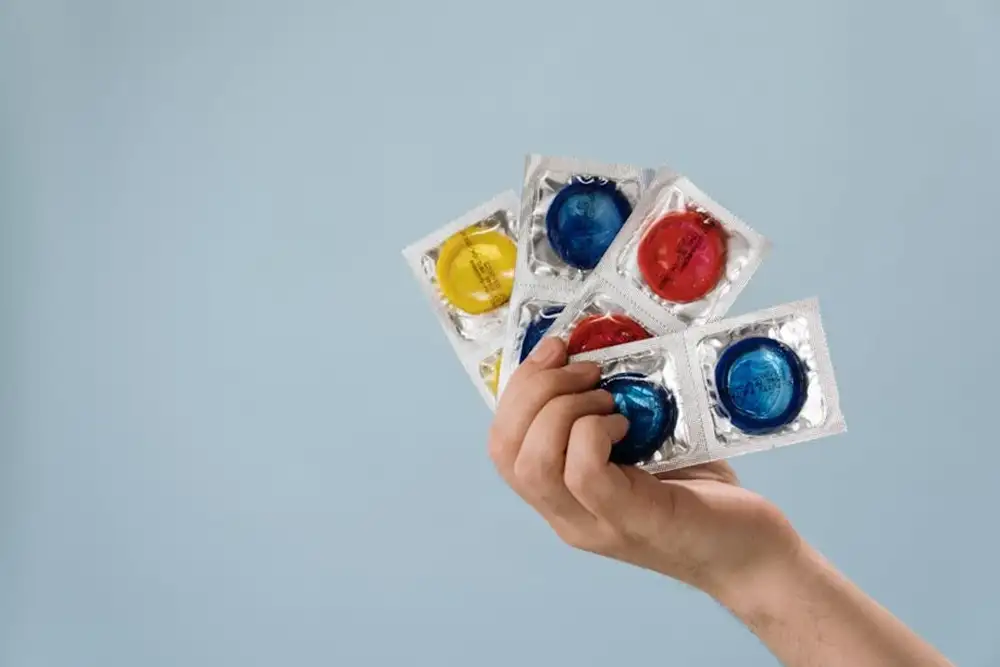
Detailed Guide to Condoms
Understanding Condoms: Your Essential Guide to Safe Sex
Condoms are thin barrier devices worn during sexual activity to prevent pregnancy and reduce the transmission of sexually transmitted infections (STIs). Here’s what you need to know:
- What they do: Create a physical barrier that blocks sperm and reduces contact with bodily fluids and infected skin
- Effectiveness: 98% effective at preventing pregnancy with perfect use, 87% with typical use
- STI protection: Reduce HIV transmission risk by approximately 85% and HPV transmission to women by about 70%
- Types: Available in latex, polyurethane, polyisoprene, and natural materials
- Accessibility: No prescription needed; available at pharmacies, stores, clinics, and online
Condoms remain one of the most popular contraceptive methods worldwide. As of 2019, approximately 21% of people using birth control globally rely on condoms, making them the second-most common method after female sterilization. They’re unique because they’re the only widely available method that provides dual protection against both pregnancy and STIs.
Why condoms matter: Unlike hormonal birth control or other contraceptive methods, condoms offer immediate protection without affecting your body’s natural processes. You can start and stop using them anytime without a doctor’s visit. They put control directly in your hands, require no advance planning beyond having them available, and work the moment you use them correctly.
The effectiveness gap between perfect use (98%) and typical use (87%) exists primarily because of human error not because condoms themselves fail. Most condom failures happen due to improper storage, incorrect application, using expired products, or not using them for the entire duration of sex. Understanding how to use them correctly dramatically improves their reliability.
Romantic Depot has spent years advancing sexual health education and wellness for communities across the New York/New Jersey area. Through promoting inclusive resources and supporting educational workshops, the company has helped thousands make informed decisions about condoms and other wellness products. This guide will walk you through everything you need to know to choose and use condoms effectively.

The Dual Role of Condoms: Pregnancy and STI Prevention
Condoms serve a critical dual role in sexual health: they are highly effective at preventing unintended pregnancies and significantly reduce the risk of transmitting sexually transmitted infections (STIs). This dual protection is what makes them an indispensable tool for safe sex practices.
The primary function of condoms as a barrier method is simple yet powerful: they create a physical barrier that prevents sperm from reaching the egg and blocks the exchange of bodily fluids that can carry STIs. This physical separation is key to their effectiveness. For more insights into practicing safe sex, we recommend consulting scientific research on safe sex.
How Effective Are Condoms for Birth Control?
For preventing pregnancy, condoms have impressive effectiveness rates, especially with correct and consistent use. We often discuss two main scenarios: perfect use and typical use.
With perfect use, meaning the condom is used exactly as directed every single time during sexual intercourse, condoms are approximately 98% effective at preventing pregnancy. This means that, on average, only two out of every 100 people using condoms perfectly for a year will get pregnant. This high level of efficacy highlights the condom’s potential when applied without error.
However, in the real world, things don’t always go perfectly. This is where typical use comes into play. Typical use accounts for human errors, such as inconsistent use, incorrect application, or accidental breakage. With typical use, condoms are about 87% effective at preventing pregnancy. This translates to an average of 13 out of every 100 people using condoms for a year (not perfectly, but in the way people typically use them) getting pregnant. The difference between perfect and typical use underscores the importance of proper education and consistent practice.
The perfect use pregnancy rate of condoms is 2% per year, while the typical use pregnancy rate among condom users can range from 10% to 18% per year, depending on the population studied. This variation largely stems from factors like improper application, slippage, breakage, or not using a condom for the entire duration of sex. Understanding these statistics is crucial for making informed choices about contraception. For detailed data on contraceptive efficacy, you can refer to comprehensive resources like this document.
Protection Against Sexually Transmitted Infections (STIs)
Beyond pregnancy prevention, condoms are a cornerstone of STI prevention. They act as a physical barrier, significantly reducing the exchange of bodily fluids like semen and vaginal secretions, which are common vectors for many STIs. They also help prevent skin-to-skin contact with infected areas.
Consistent use of latex condoms has been shown to reduce the risk of HIV transmission by approximately 85% relative to risk when unprotected. This is a substantial reduction, putting the seroconversion rate (infection rate) at 0.9 per 100 person-years with condom use, down from 6.7 per 100 person-years. This makes condoms a vital tool in the fight against HIV.
Proper condom use also significantly decreases the risk of transmitting other STIs. For instance, it reduces the risk of human papillomavirus (HPV) transmission to women by approximately 70%. Condoms are effective against STIs spread by genital fluids, such as gonorrhea and chlamydia. They also offer protection against STIs like herpes and syphilis, though their effectiveness can be limited if the infected areas (sores or lesions) are not covered by the condom.
It’s important to understand the limitations. While highly effective, condoms do not offer absolute protection against all STIs, especially those spread through skin-to-skin contact in areas not covered by the condom, such as genital herpes, genital warts (HPV), and syphilis. However, using condoms correctly and consistently still dramatically lowers the risk of transmission for these as well. The key is consistent and correct use, every time.
Choosing Your Perfect Match: A Guide to Condom Types
Finding the right condom is like finding the perfect pair of shoes, it needs to fit well, feel comfortable, and suit your needs. With the wide variety available, there’s a perfect match for everyone. The right choice can improve pleasure, safety, and provide peace of mind.

Common Condom Materials
The material a condom is made from is a crucial factor, especially if you or your partner have allergies or specific preferences. The most common materials are latex, polyurethane, and polyisoprene.
- Latex Condoms: These are the most common and widely available type. They are made from natural rubber latex and are highly effective at preventing both pregnancy and STIs. Latex provides an excellent barrier against even the smallest STD pathogens. However, some individuals have a latex allergy, which can cause irritation, itching, or even more severe reactions. If you or your partner have a latex allergy, avoid latex condoms. Oil-based lubricants can damage latex condoms, weakening them and making them prone to breakage or slippage. Always use water-based or silicone-based lubricants with latex condoms.
- Polyurethane Condoms: These are a popular alternative for people with latex allergies. Made from plastic, polyurethane condoms are thinner than latex, can transmit body heat better, and are compatible with both oil-based and water-based lubricants. However, some studies suggest that polyurethane condoms may break more often than latex ones.
- Polyisoprene Condoms: These non-latex condoms are made from a synthetic rubber material that offers a softer, more natural feel than polyurethane, often described as similar to latex without the allergy risk. They are also compatible with water-based and silicone-based lubricants, but oil-based lubricants should be avoided. Polyisoprene condoms generally offer comparable strength and effectiveness to latex.
- Lambskin Condoms: Made from lamb intestine, these condoms are unique. While they are effective at preventing pregnancy by blocking sperm, they are not recommended for STI prevention. This is because lambskin has microscopic pores that are too small for sperm to pass through, but large enough for viruses (like HIV, HPV, or herpes) to potentially pass through. We only include them here for informational purposes, emphasizing that if STI prevention is a concern, other materials are necessary.
Exploring Different Condom Styles
Beyond materials, condoms come in various styles designed to improve pleasure, comfort, or specific needs.
- Lubricated Condoms: Most condoms come pre-lubricated to reduce friction, increase comfort, and minimize the risk of breakage. The lubrication is typically water-based or silicone-based.
- Textured Condoms: These feature ribs, studs, or contours designed to increase sensation for one or both partners. Finding what feels best often involves some playful experimentation!
- Flavored Condoms: Specifically designed for oral sex, flavored condoms make the experience more enjoyable by offering various tastes, from strawberry to chocolate. Flavored condoms are primarily intended for oral use, though they can be used for vaginal or anal sex too.
- Ultra-Thin Condoms: For those seeking maximum sensation and a more natural feel, ultra-thin condoms are designed with reduced thickness. Modern manufacturing techniques ensure that these thinner condoms still meet safety and effectiveness standards.
- Extra-Strength/Thicker Condoms: These condoms are designed to offer improved durability, often preferred for anal sex or by individuals who desire extra reassurance.
- Spermicidal Condoms: Some condoms come lubricated with spermicide (usually Nonoxynol-9). While spermicide can kill sperm, the World Health Organization (WHO) and other health bodies do not recommend spermicide-coated condoms due to concerns about potential irritation, which could theoretically increase the risk of STI transmission, and because the added spermicide doesn’t significantly increase pregnancy prevention effectiveness compared to regular lubricated condoms. We suggest relying on the barrier protection of the condom itself for birth control.
Why Size and Fit Matter
Just like a good pair of jeans, the right condom fit is essential for both comfort and effectiveness. A poorly fitting condom can increase the risk of breakage or slippage, compromising its protective benefits.
Condoms are available in various sizes:
- Standard Fit: This is the most common size, designed to fit most individuals comfortably.
- Snug Fit: These are narrower for those who find standard condoms too loose, helping prevent slippage.
- Large Fit/Magnum: Designed for individuals who find standard condoms too tight or restrictive, ensuring comfort and preventing tearing due to being stretched too thin.
Using a condom that is too large increases the risk of it slipping off, while one that is too small can be uncomfortable, reduce sensation, and be more prone to tearing. While there’s no universal “correct” way to measure for a condom, many brands provide sizing guides based on the measurements of an erect penis. The goal is a snug, comfortable fit that allows for full sensation without constriction. Finding the right size ensures that the condom stays in place and performs its job effectively, maximizing both safety and pleasure.
How to Use Condoms Correctly for Maximum Effectiveness
Using a condom correctly is paramount to its effectiveness in preventing pregnancy and STIs. As we’ve seen, human error is the primary reason for condom failure, not inherent flaws in the product itself. Mastering the proper application technique empowers you to maximize safety and build confidence in your sexual health choices.

A Step-by-Step Guide to Proper Application
Let’s walk through the correct procedure for using an external condom:
- Check the Expiration Date: Always look for the expiration date on the wrapper. An expired condom can become brittle and more prone to breakage.
- Inspect the Wrapper: Ensure the wrapper is intact and there are no tears or punctures. You should feel a small air bubble when you gently squeeze the wrapper.
- Open Carefully: Tear the wrapper at the designated notch. Avoid using teeth or sharp objects, as this can accidentally tear the condom inside.
- Determine Roll Direction: Place the condom on the tip of the erect penis. Make sure the rolled rim is on the outside, ready to unroll down the shaft. If it doesn’t unroll easily, it might be inside out. Discard it and use a new one.
- Pinch the Tip: Pinch the tip of the condom to squeeze out any air. This creates a small reservoir for semen and prevents air bubbles from bursting the condom. Leave about a quarter of an inch of space at the tip.
- Roll to the Base: While still pinching the tip, unroll the condom all the way down to the base of the erect penis.
- Use Proper Lubricant: If additional lubrication is desired, apply a water-based or silicone-based lubricant to the outside of the condom. Never use oil-based lubricants with latex condoms.
- Hold the Base During Withdrawal: Immediately after ejaculation, and while the penis is still erect, hold the rim of the condom firmly against the base of the penis as you withdraw from your partner. This prevents the condom from slipping off and spilling semen.
- Dispose of Properly: Gently pull the condom off the penis, away from your partner’s body, ensuring no semen spills. Wrap the used condom in a tissue and dispose of it in a trash can. Never flush condoms down the toilet, as they can clog plumbing and harm the environment.
Common Mistakes and How to Avoid Condom Failure
Understanding common pitfalls can help us avoid them and ensure the highest possible effectiveness from our condoms. The rate of breakage is typically between 0.4% and 2.3%, while the rate of slippage is between 0.6% and 1.3%. Many of these failures are preventable.
- Using Oil-Based Lubricants with Latex Condoms: This is a big no-no. Oil-based products (like petroleum jelly, baby oil, lotions, or massage oils) degrade latex, causing it to weaken and break. Always stick to water-based or silicone-based lubricants with latex condoms.
- Incorrect Storage: Condoms should be stored in a cool, dry place away from direct sunlight, extreme temperatures, and sharp objects. Storing them in a wallet for extended periods, for example, can expose them to heat and friction, damaging the latex.
- Not Leaving Space at the Tip: Failing to pinch the tip and leave a reservoir for semen increases pressure inside the condom, making it more likely to break during ejaculation.
- Putting it on Upside Down: If you start to unroll a condom and realize it’s inside out, discard it and grab a new one. Even a brief attempt to unroll it incorrectly can compromise its integrity, and pre-ejaculate may have already been released.
- Not Using it for the Entire Duration of Sex: A condom must be applied before any genital contact occurs and remain on throughout the entire sexual act. “Pulling out” before applying a condom, or removing it too early, risks exposure to pre-ejaculate and bodily fluids.
- Using Two Condoms (Double-Bagging): This is a common misconception. Wearing two condoms at once does not offer extra protection; in fact, it can be counterproductive. The friction between the two condoms can cause them to tear or break more easily. Always use just one condom at a time.
- Using Expired Condoms: As mentioned, expired condoms are less elastic and more prone to breakage. Always check the date!
- Damage from Fingernails or Jewelry: Be mindful when opening the package and applying the condom. Long fingernails or rings can easily snag and tear the thin material.
By being aware of these common mistakes, we can significantly reduce the risk of condom failure and ensure our intimate moments are as safe and enjoyable as possible.
Condoms in Context: Comparisons and Special Uses
When we consider the landscape of birth control and STI prevention, condoms truly stand out for their unique combination of accessibility, cost-effectiveness, and dual protection. They play a vital role in public health initiatives across our communities in New York and New Jersey, and globally.
What Makes Condoms Unique?
Condoms offer several advantages that set them apart from other contraceptive methods:
- Over-the-Counter Access: Unlike hormonal birth control or IUDs, condoms do not require a prescription or a doctor’s visit. This ease of access means you can pick them up quickly at pharmacies, grocery stores, and even many convenience stores throughout New York and New Jersey. Free condoms are also often available at health clinics and community centers.
- Unique STI Protection: They are the only widely available birth control method that simultaneously protects against most STIs, including HIV. This “dual protection” is a massive advantage for sexually active individuals.
- User-Controlled: The decision to use a condom rests entirely with the individual or partners at the moment of sexual activity. There’s no ongoing medical commitment, and usage can begin or end at any time without external intervention.
- Widely Available and Affordable: Their widespread availability and relatively low cost make condoms an accessible option for many, contributing to their global popularity. As of 2019, condoms accounted for 21% of all birth control methods used globally, ranking second only to female sterilization.
To illustrate how condoms stand out, here’s a brief comparison:
| Feature | Condoms | Other Contraceptive Methods (e.g., Pill, IUD) |
|---|---|---|
| Pregnancy Efficacy | High (98% perfect, 87% typical) | Very High (often >99% perfect use) |
| STI Protection | Yes, dual protection (most STIs) | No (require separate STI protection) |
| Accessibility | Over-the-counter, widely available | Prescription/procedure required |
| User Control | On-demand, user-initiated | Ongoing medical commitment |
| Side Effects | Minimal (allergies, irritation) | Hormonal side effects, procedure risks |
| Cost | Low, often free at clinics | Varies, can be high without insurance |
The Role in Public Health and Sex Education
Condoms play an indispensable role in public health initiatives and comprehensive sex education programs, particularly in densely populated areas like New York City and its surrounding counties.
- HIV/AIDS Prevention Programs: Since the early days of the HIV/AIDS epidemic, condoms have been a cornerstone of prevention strategies. Public health campaigns consistently promote condom use as a critical tool to curb the spread of HIV. Consistent use of latex condoms reduces the risk of HIV transmission by approximately 85%.
- Family Planning Initiatives: By preventing unintended pregnancies, condoms contribute significantly to family planning goals, allowing individuals and couples to make informed decisions about their reproductive lives.
- Reducing Teen Pregnancy: In many sex education curricula across New York and New Jersey, condoms are taught as a key method for preventing both pregnancy and STIs among adolescents, empowering them with tools for safer sexual choices.
- Comprehensive Sex Education: Education that includes accurate information about condoms and their correct use is far more effective in promoting safe sexual behaviors than abstinence-only approaches. We believe in providing comprehensive, fact-based information to empower everyone.
- Destigmatization: Public health efforts also aim to destigmatize condom use, normalizing it as a responsible and healthy choice.
Special Considerations for Different Sexual Practices
The versatility of condoms extends to various sexual practices, each with specific considerations for optimal safety and enjoyment.
- Anal Sex: Anal sex can carry a higher risk of STI transmission due to the delicate tissues of the anus. For this reason, it’s particularly important to use a condom and ample lubrication. In a significant step for sexual health, the FDA approved the first condom specifically indicated for anal intercourse in February 2022, recognizing the unique needs for this activity. When engaging in anal sex, we recommend choosing condoms designed for extra strength and using plenty of water-based or silicone-based lubricant.
- Oral Sex: While the risk of STI transmission during oral sex can be lower than vaginal or anal sex for some infections, it is still present. Flavored condoms are specifically designed to make oral sex more enjoyable and safer. Dental dams (a thin, square sheet of latex) can also be used as a barrier during oral-vaginal or oral-anal contact.
- Use with Sex Toys: When sharing sex toys, especially those used internally, it’s a good practice to cover them with a condom for each partner or each use. This helps prevent the transmission of bacteria and STIs. Ensure the toy is made of a material compatible with the chosen lubricant and condom.
Frequently Asked Questions about Condom Use
We hear many questions about condoms, and we’re here to clear up common confusions so you can feel confident and informed.
Can I reuse a condom?
No, absolutely not. Condoms are designed for single-use only. Reusing a condom dramatically increases the risk of breakage, slippage, and exposure to sperm and STIs. After ejaculation, the material can weaken, and the integrity of the barrier is compromised. Additionally, any bodily fluids or pathogens that have come into contact with the condom will remain on it, posing a significant hygiene risk upon reuse. Always dispose of a used condom properly and grab a fresh one for each sexual act.
What should I do if a condom breaks or slips off?
If a condom breaks or slips off during sexual activity, it’s important to act quickly and calmly.
- Stop Immediately: Cease sexual activity as soon as you realize the condom has broken or slipped.
- Assess the Situation: If pregnancy is a concern, consider emergency contraception (EC). EC can be effective up to 3 to 5 days after unprotected sex, depending on the type, and is available over-the-counter or by prescription in our New York and New Jersey communities.
- Consider STI Testing: If there’s a risk of STI exposure, contact a healthcare provider or local health clinic to discuss STI testing and potential preventative treatments as soon as possible. Many STIs can be treated, but early detection is key.
- Learn from the Experience: Reflect on why the condom might have failed (e.g., incorrect size, oil-based lubricant, expired product) to prevent future incidents.
Are two condoms better than one?
This is a persistent myth, and the answer is a resounding no. Using two condoms at once, sometimes called “double-bagging,” does not offer increased protection. In fact, it can have the opposite effect. The friction between the two layers of latex (or other materials) can cause them to rub against each other, creating tears and increasing the likelihood of breakage or slippage. Always stick to using a single condom for each sexual act to ensure its optimal performance.
Conclusion
Condoms stand as a testament to simple yet incredibly effective technology, offering unparalleled dual protection against both unintended pregnancies and sexually transmitted infections. Their accessibility, user-controlled nature, and minimal side effects make them a powerful tool for anyone prioritizing their sexual health.
We’ve explored how condoms achieve high effectiveness rates, especially with perfect use, and how understanding different materials like latex, polyurethane, and polyisoprene can cater to individual needs and allergies. We’ve also highlighted the importance of choosing the right size and style for comfort and reliability, and walked through the step-by-step process of correct application—because, as we’ve learned, human error is the biggest factor in condom failure.
From their crucial role in public health campaigns and sex education in our New York and New Jersey communities to specific considerations for anal and oral sex, condoms are more than just a barrier; they are an instrument of empowerment and informed choice. By embracing correct and consistent use, we can all contribute to safer sexual practices and greater peace of mind.
For a wide selection of types and sizes of condoms and other sexual wellness products, visit a specialty store like Romantic Depot to explore your options and find your perfect match. We are committed to providing quality products and resources to support your sexual health journey.