 SHOP NOW
 LOCATIONS




 cklimasz@gmail.com
Introduction: More Than Just the Absence of Disease
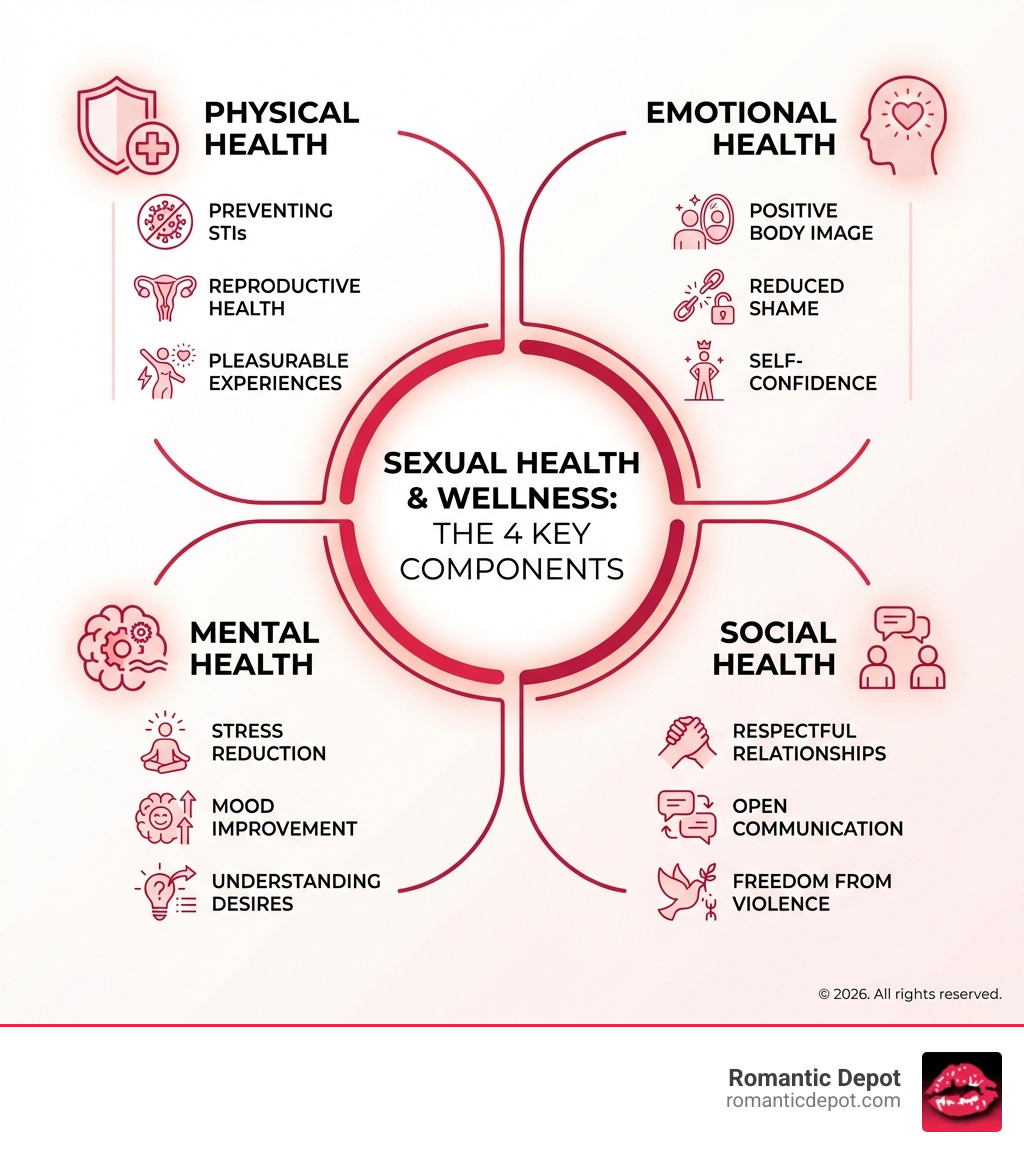
Sexual Health and Wellness is about far more than avoiding disease or dysfunction. It’s a state of complete physical, emotional, mental, and social well-being related to sexuality. Here’s what that means:
- Physical: Maintaining sexual and reproductive health, preventing STIs, and experiencing pleasurable, pain-free intimacy.
- Emotional: Having a positive attitude toward your body and sexuality, free from shame or fear.
- Mental: Managing stress, understanding your desires, and feeling confident in your sexual choices.
- Social: Building respectful, consensual relationships and living free from coercion, discrimination, or violence.
Sexual health requires a positive and respectful approach to sexuality and sexual relationships, as well as the possibility of having pleasurable and safe sexual experiences, free of coercion, discrimination, and violence. It’s fundamental to your overall health and well-being—not just as an individual, but in your relationships and community too.
Why does this matter? Because sexuality is a big part of being human. Love, affection, and sexual intimacy all play a role in healthy relationships. They also contribute to your sense of well-being. Yet despite how important it is, sexual health is often shrouded in stigma and misinformation. Many people—particularly women—experience challenges like low desire, pain during sex, or difficulty with arousal. In fact, more than 40% of women have trouble with vaginal or pelvic discomfort and sexual function at some point in their lives. But most cases are treatable, and help is available.
Understanding your sexual health means understanding yourself—your body, your desires, your boundaries, and your rights. It means knowing how to protect yourself from infections and unintended pregnancies. It means fostering emotional intimacy and trust in your relationships. And it means living in an environment that supports your well-being, not one that shames or discriminates against you.
This guide will walk you through the essentials of sexual health and wellness. We’ll explore the physical, emotional, and relational benefits of a healthy sex life. We’ll give you practical strategies—like the “5 P’s” framework and tips for open communication—to nurture your well-being. We’ll also address common challenges like sexual dysfunction and unhealthy behavior, and show you where to find professional support. Finally, we’ll look at the bigger picture: how laws, education, and societal attitudes shape sexual health for all of us.
At Romantic Depot, we’ve spent years advancing sexual health, wellness, and education through inclusive resources, in-store guidance, and community outreach. Our focus on sexual health and wellness is built on a simple belief: everyone deserves access to accurate information, quality pleasure products, and a sex-positive culture that centers safety, consent, and respect.
Whether you’re looking to improve your own pleasure, strengthen your relationship, or simply learn more about your body, this guide is for you. Let’s dive in.
The Holistic Benefits of a Healthy Sex Life
Sexual health and wellness isn’t just about what you don’t have (like STIs or dysfunction); it’s profoundly about what you do gain. A healthy sex life contributes positively to every aspect of your overall health and well-being, creating a ripple effect of benefits throughout your life.
Physical Health Perks

Who knew that a fulfilling sex life could be a workout? Regular sexual activity offers a surprising array of physical benefits. For starters, it can improve heart health by increasing heart rate, improving circulation, and lowering blood pressure. Think of it as a fun, intimate cardio session!
Beyond that, engaging in sexual activity can boost your immune system. How? By increasing the production of antibodies that tirelessly fight off infections. It’s like giving your body an extra shield against colds and flu.
And for those who suffer from chronic aches and pains, here’s some good news: sexual activity can trigger the release of endorphins, which act as natural painkillers. These powerful chemicals can help alleviate pain from conditions like arthritis, migraines, and even menstrual cramps. It’s a natural way to find relief and feel more comfortable in your own skin.
Finally, after all that activity and pleasure, you might find yourself drifting off to dreamland more easily. The release of oxytocin and prolactin during orgasm can promote relaxation and significantly improve sleep quality. A well-rested body and mind are foundational to overall health, and a healthy sex life can certainly contribute to that.
Emotional and Mental Well-being
The benefits of sexual health and wellness extend deeply into our emotional and mental landscapes. When we feel good about our sexuality, it positively impacts our mood, reduces stress, and boosts our self-perception.
Sexual activity is a fantastic stress-buster. It can reduce stress and anxiety by releasing endorphins and oxytocin, those feel-good hormones that promote feelings of happiness and relaxation. It’s a powerful way to unwind and connect with yourself or a partner after a long day.
Moreover, regular sexual activity can improve mood and reduce the risk of depression by boosting levels of serotonin and dopamine, which are neurotransmitters strongly associated with happiness and well-being. A positive sexual experience can also profoundly boost self-esteem and body image, contributing significantly to your overall emotional health. Feeling desirable and connected can make you feel more confident and accepting of your body, exactly as it is.
While sexuality is a natural and healthy part of life, some individuals may struggle with managing their sexual behaviors. For those who find themselves experiencing distress or impairment due to their sexual thoughts, urges, or behaviors, resources are available to help.
Social and Relational Advantages
Beyond the personal benefits, a healthy sex life is a cornerstone of strong, intimate relationships. Sexual intimacy can significantly strengthen emotional bonds and improve communication and trust between partners. This leads to healthier and more satisfying relationships overall.
When partners feel safe and comfortable enough to share their sexual needs and desires, it opens up lines of communication that often extend beyond the bedroom. This open and honest dialogue can improve overall relationship communication and understanding, fostering a deeper connection. Regular sexual activity, with its shared vulnerability and pleasure, can foster emotional intimacy and closeness, enhancing relationship satisfaction. It’s a powerful way to say “I love you” and “I’m here for you” without uttering a single word.
To stay informed on how these aspects of sexual health are discussed and evolving, you can always read the latest news on sexual health and wellness.
A Practical Guide to Nurturing Your Sexual Health and Wellness
Nurturing your sexual health and wellness is an active process that involves understanding yourself, communicating with others, and making informed choices. It’s about taking proactive steps to ensure your sexual experiences are safe, pleasurable, and respectful.
The ‘5 P’s’: Your Sexual Health Checklist
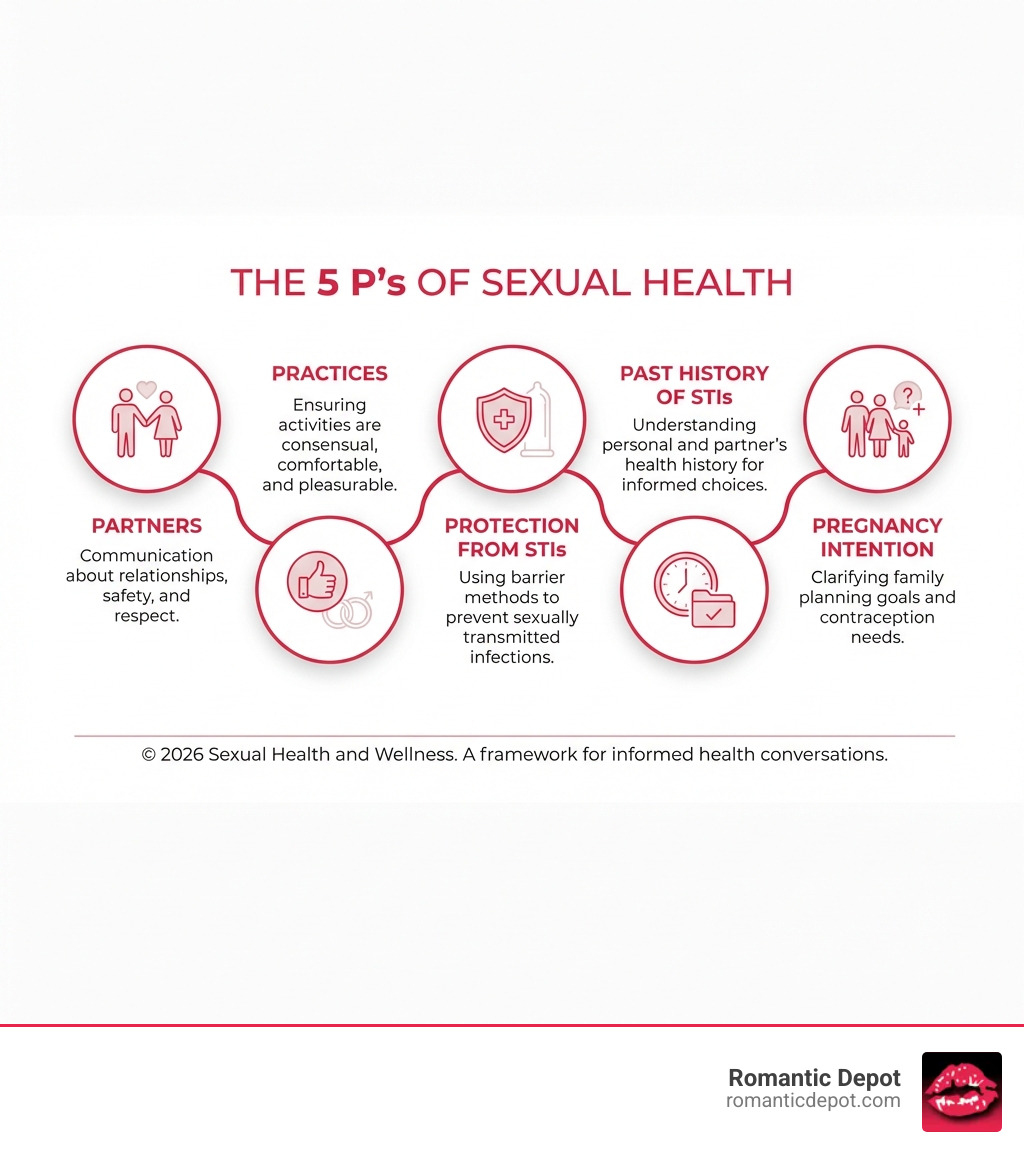
To help steer the complexities of sexual health, healthcare providers often use a framework known as the “5 P’s.” This simple yet comprehensive checklist helps us consider all the critical aspects of our sexual lives:
- Partners: Who you choose to be intimate with, how you communicate with them, and whether you feel safe and respected in those relationships. This includes discussing sexual history and boundaries.
- Practices: The types of sexual activities you engage in, ensuring they are consensual, comfortable, and pleasurable for all involved. This also covers safe sex practices.
- Protection from STIs: Strategies and methods you use to prevent sexually transmitted infections, such as condoms or other barrier methods.
- Past History of STIs: Being aware of your own and your partner’s past sexual health history, including any previous STIs, and communicating this openly with healthcare providers and partners.
- Pregnancy Intention: Whether you are actively trying to conceive, preventing pregnancy, or are open to an unplanned pregnancy. This involves discussing contraception or family planning.
By regularly checking in with these 5 P’s, we can make more informed decisions about our sexual lives and proactively maintain our sexual health and wellness. For a more in-depth look at this framework, refer to the CDC’s guide to the “5 P’s.”.
Self-Awareness and Body Positivity
One of the most empowering steps you can take toward sexual wellness is cultivating self-awareness and body positivity. This means taking the time to understand your own body, what brings you pleasure, and what makes you feel good. It’s about accepting and appreciating your body, not necessarily loving every inch all the time, but recognizing its value and capabilities.
Learning your body: Take the time to understand what pleasure looks like for you. This will help you have a more enjoyable sexual experience alone as well as together with partner(s). Resources like OMGyes.com can be incredibly insightful for exploring female pleasure and understanding the nuances of your own body’s responses.
Exploring with adult toys: For many, adult toys are a fantastic way to improve self-awareness and find new forms of pleasure. Whether it’s a vibrator to pinpoint clitoral sensations, a prostate massager for new internal experiences, or various other devices, these tools can deepen your understanding of your own body and expand your sexual horizons. At Romantic Depot, we offer a wide range of adult toys and lingerie designed to help you explore your sexuality safely and joyfully, promoting a deeper connection with your body and desires.
Here are some ways to practice body positivity and self-awareness:
- Listen to your body: Pay attention to what feels good, what feels uncomfortable, and what you desire.
- Challenge negative thoughts: Replace self-critical thoughts about your body with affirmations of appreciation.
- Explore your pleasure: Whether alone or with a partner, actively seek out and understand what brings you sexual satisfaction.
- Dress for yourself: Wear lingerie or clothes that make you feel confident and sexy, regardless of external validation.
- Engage in self-care: Treat your body with kindness through healthy eating, exercise, and adequate rest, recognizing that these contribute to overall well-being, including sexual health.
The Power of Open Communication
In any healthy sexual relationship, communication is key. Open and honest dialogue about sexual needs, desires, and boundaries is fundamental to building trust and fostering intimacy. This isn’t always easy, but it’s essential.
Talking with partners: Discussing what you enjoy, what you don’t, and any concerns you might have creates a safe space for mutual understanding. It’s about expressing your desires and listening to your partner’s, ensuring that sexual encounters are pleasurable and respectful for everyone involved. Consent, of course, is paramount and must be freely given, enthusiastic, and ongoing.
Building trust: When you communicate openly, you build a foundation of trust that strengthens your emotional bonds. This trust allows both partners to feel more secure, vulnerable, and ultimately, more satisfied in their sexual relationship.
Healthy relationships thrive on mutual respect and understanding. If you’re looking for more resources to improve your relationships and personal wellness, you can find more resources on our homepage.
Navigating Challenges and Seeking Support
Even with the best intentions, challenges can arise in our sexual lives. It’s crucial to know that you’re not alone and that there are resources and professionals available to help you steer these difficulties.
Understanding Female Sexual Dysfunction
It’s a common misconception that sexual dysfunction primarily affects men. The truth is, female sexual dysfunction is far more prevalent than society often portrays. We know that more than 40% of women have trouble with vaginal or pelvic discomfort and sexual function at some point in their lives. This can manifest in various ways, including:
- Low desire: Decreased sexual desire or low libido is a common concern.
- Arousal or orgasm difficulty: Trouble becoming aroused or reaching orgasm.
- Pain during sex (dyspareunia): Experiencing pain before, during, or after sexual activity.
These issues are not just physical; they influence both physical and emotional health. Many women may feel embarrassed and delay seeking treatment or discussing these concerns with their healthcare provider. However, most cases of sexual dysfunction are treatable.
A woman’s sexual health needs also change throughout her life stages. For example, menopause can bring about significant changes, such as vaginal dryness due to estrogen loss, which can lead to painful intercourse. It’s important to talk to a doctor when you experience persistent changes or discomfort related to your sexual health. Experts in our service area, like those at Virtua in New Jersey, offer specialized care.
Recognizing and Addressing Unhealthy Sexual Behavior
Sexual Health and Wellness also involves understanding what constitutes healthy, consensual sexual behavior and recognizing when behavior crosses into unhealthy territory. Unhealthy sexual behavior is any sexual activity that involves:
- Lack of consent: Any sexual act without clear, enthusiastic, and ongoing consent from all parties.
- Coercion and pressure: Being pressured, manipulated, or forced into sexual activity.
- Disregard for boundaries: Ignoring or violating stated personal limits.
- Exploitation: Taking advantage of another person’s vulnerability, age, or position.
If you or someone you know is involved in or has experienced unhealthy sexual behavior, seeking help is a sign of immense strength, not weakness. There are many organizations dedicated to providing support and resources.
Here is a list of resources for support:
- The Rape, Abuse & Incest National Network (RAINN) National Sexual Assault Hotline
- Planned Parenthood (for sexual health services and information)
- The National Human Trafficking Hotline (for exploitation concerns)
- Your local sexual health clinic (such as those in NYC, Westchester County, or Rockland County, NY)
- Therapists and counselors specializing in trauma or sexual health.
Where to Find Professional Help
When you have concerns about your Sexual Health and Wellness, reaching out to professionals is a crucial step. There are various avenues for support:
- Sexual health clinics: Organizations like Planned Parenthood offer a wide range of sexual and reproductive health services, including STI testing, contraception, and counseling. In our local areas, you can find clinics like the NYC Health + Hospitals Sexual Health Clinics or services through the Westchester County Department of Health and Rockland County, NY clinics.
- Therapists and counselors: Mental health professionals specializing in sexual health can help address emotional, relational, or psychological factors affecting your sex life. Look for those with certifications in sex therapy.
- AASECT certified professionals: The American Association of Sexuality Educators, Counselors, and Therapists (AASECT) certifies individuals who meet rigorous standards in the field of sexual health. You can find AASECT-certified sex therapists, sexuality educators, and sexuality counselors who can provide expert guidance.
- Specialized medical providers: For specific physical concerns, a gynecologist, urologist, or a sexual dysfunction specialist (like those at Virtua in New Jersey) can offer diagnoses and treatment plans.
Don’t let embarrassment or discomfort prevent you from seeking the help you deserve. Your sexual health is an integral part of your overall well-being.
The Bigger Picture: How Society Shapes Sexual Health
Our individual sexual health and wellness is not developed in a vacuum. It is profoundly influenced by the societal structures, laws, and educational frameworks that surround us.
The Impact of Laws and Access to Care
Laws and policies at the state and federal levels play a significant role in determining access to sexual health resources and information. For example, state laws directly impact the sex education offered in schools. While some states prioritize medically accurate information, others may mandate instruction focused on marriage-only sexual activity or even perpetuate negative information about homosexuality. According to the Guttmacher Institute, only 18 states require program content to be medically accurate, 19 states require instruction on the importance of engaging in sexual activity only within marriage, and 4 states require only negative information to be provided on homosexuality and/or positive emphasis on heterosexuality. This patchwork of regulations means that access to comprehensive, accurate sex education varies widely, even within our own states like New York and New Jersey.
Access to contraception is another critical area impacted by societal factors. Shockingly, more than 19 million women of reproductive age in the U.S. are in need of publicly funded contraception and live in “contraceptive deserts.” Around 1.2 million of these women live in a county without a single health center offering the full range of methods. While our regions in New York and New Jersey may have better access than some, disparities can still exist even within our own communities.
Furthermore, discrimination and lack of protections can impact specific communities. For instance, 44% of the LGBTQ population lives in states that do not have LGBT-inclusive insurance protections. This can create significant barriers to accessing necessary healthcare services, including those related to sexual health. These statistics highlight how legal and systemic factors can create problems for individuals seeking to maintain their sexual well-being.
The Role of Education in Promoting Sexual Health and Wellness
Education is one of the most powerful tools we have to promote sexual health and wellness. Comprehensive, medically accurate sex education combats stigma, dispels misinformation, and empowers individuals to make informed decisions about their bodies and relationships.
When individuals receive accurate information about consent, contraception, STI prevention, and healthy relationships, they are better equipped to protect themselves and others. This also fosters a culture of respect and consent, which is essential for preventing unhealthy sexual behaviors and sexual violence.
The importance of sexual health education has even been recognized at the highest levels. In 2001, former U.S. Surgeon General David Satcher issued “The Surgeon General’s Call to Action to Promote Sexual Health and Responsible Sexual Behavior.” This was the first U.S. government recognition of the importance of sexual health, emphasizing that it is part of overall health and well-being. By investing in comprehensive education, we empower individuals, strengthen communities, and move towards a society where everyone can achieve optimal sexual health and wellness.
Frequently Asked Questions about Sexual Wellness
What is the most important aspect of sexual health?
This is a fantastic question, and the answer is that there isn’t one single “most important” aspect. Sexual health and wellness is inherently holistic. It’s about finding a balance between physical safety, emotional connection, mental peace, and social respect. For some, physical safety (like STI prevention) might be a top priority at a certain life stage, while for others, emotional intimacy or overcoming mental blocks might be paramount. It’s a personal journey, and what’s most important can shift over time. The key is to nurture all these components to achieve a fulfilling and healthy sexual life.
How often should I get tested for STIs?
The frequency of STI testing depends largely on your individual sexual activity and the “5 P’s” we discussed earlier. A general recommendation is that all sexually active individuals should get tested at least once a year, especially for common STIs like chlamydia and gonorrhea. However, if you have new sexual partners, multiple partners, or engage in practices that put you at higher risk, you should get tested more frequently, possibly every 3-6 months. It’s always best to get tested before starting a new sexual relationship and to discuss testing with your healthcare provider.
How can I improve my sexual self-esteem?
Improving your sexual self-esteem is a journey of self-acceptance and exploration. We recommend several strategies:
- Practice self-compassion: Be kind to yourself and challenge negative self-talk about your body or sexual performance.
- Focus on what your body can do: Shift your focus from perceived imperfections to appreciating your body’s capacity for pleasure and connection.
- Explore your own pleasure: Through self-touch and adult toys, you can learn what truly excites you without external pressure. At Romantic Depot, we have a vast selection of products that can help you on this journey of self-findy.
- Communicate your needs to a partner: Openly sharing your desires and boundaries can build confidence and create more satisfying experiences.
- Unfollow social media that makes you feel bad: Curate your online environment to promote body positivity and realistic representations of sexuality.
Conclusion: Embracing Your Journey to a Fulfilling Sex Life
As we’ve explored, sexual health and wellness is a dynamic and multifaceted aspect of our lives, encompassing physical, emotional, mental, and social well-being. It’s far more than just the absence of disease; it’s about embracing a positive, respectful, and pleasurable approach to sexuality. From boosting your physical health and mental well-being to strengthening your relationships, the benefits of nurturing your sexual health are profound and far-reaching.
We hope this guide has empowered you with knowledge and self-awareness, providing practical strategies like the “5 P’s” and emphasizing the power of open communication. It’s okay to seek support when challenges arise, and there are many professionals and resources available to help you steer your journey.
Your sexual health journey is unique, and it’s one that deserves attention, care, and curiosity. At Romantic Depot, we believe in fostering a culture of safety, consent, and joy. We offer a wide range of products—from luxurious lingerie to innovative adult toys—designed to help you explore your sexuality safely and joyfully, enhancing your pleasure and deepening your self-awareness. We encourage you to accept your journey, communicate openly, and find the fulfilling sex life you deserve.