 SHOP NOW
 LOCATIONS



 Chris Klimasz
What a Weak Pelvic Floor Means for Your Body and Sexual Health
A weak pelvic floor is a condition where the group of muscles supporting your bladder, bowel, and sexual organs lose strength or coordination — leading to symptoms that can affect your daily life and intimate relationships.
Quick answer: Signs you may have a weak pelvic floor
- Leaking urine when you cough, sneeze, or exercise
- Feeling a sudden, urgent need to urinate or have a bowel movement
- Difficulty fully emptying your bladder or bowels
- A heavy or bulging sensation in the pelvic area
- Pain during sex or reduced sexual sensation
- Chronic lower back or pelvic pain
These symptoms are common — one in four women has a pelvic floor disorder — but they are not something you just have to live with.
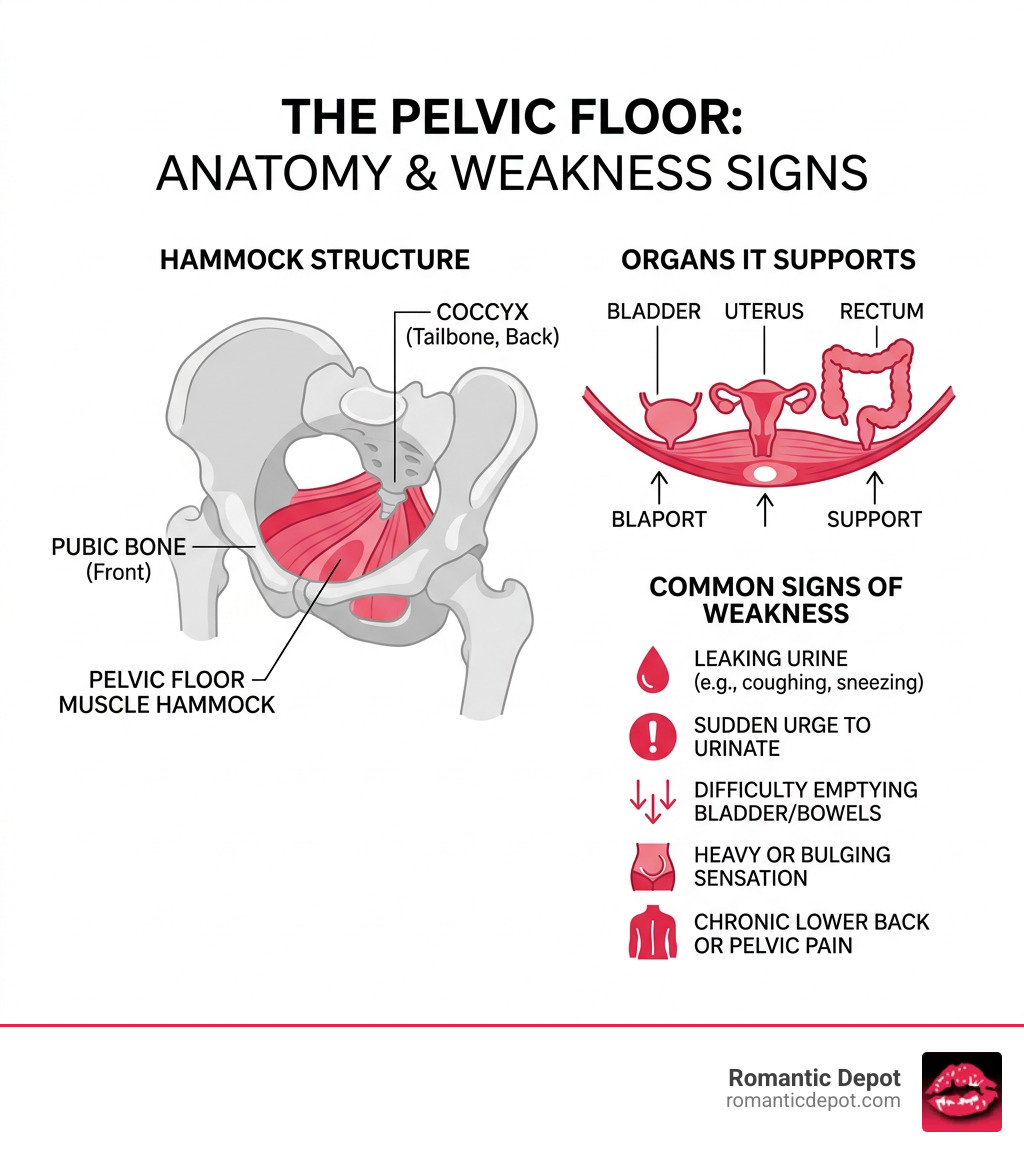
Your pelvic floor is a hammock-like layer of muscles stretched across the base of your pelvis. When it works well, you barely notice it. When it weakens, it can affect everything from bathroom trips to sexual pleasure.
The good news? Pelvic floor weakness is highly treatable. Targeted exercises, lifestyle changes, and the right wellness tools can make a real difference — often within just a few weeks.
Understanding the Pelvic Floor and Its Vital Functions
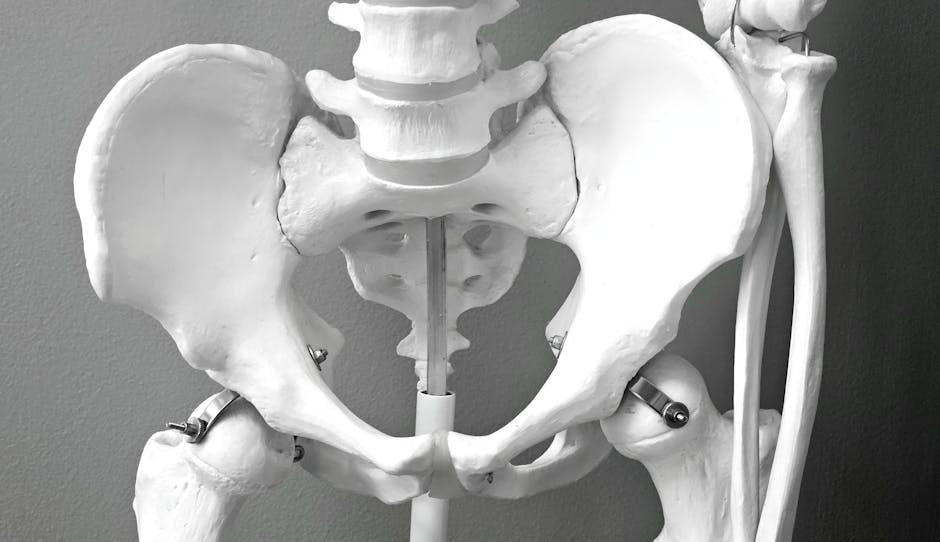
To understand why a weak pelvic floor causes so much trouble, we first need to look at the anatomy. Think of your pelvis as a sturdy basin. The “floor” of this basin isn’t bone; it is a powerful, flexible layer of muscles and connective tissue. The primary star of this show is the levator ani muscle group.
The pelvic floor acts like a biological hammock. It stretches from your pubic bone at the front to your tailbone (coccyx) at the back. Its job description is surprisingly extensive:
- Organ Support: It holds your pelvic organs—the bladder, uterus (in women), and rectum—in their proper places. Without this support, these organs can begin to sag or “prolapse.”
- Continence: These muscles wrap around the openings of the urethra and anus. They provide the “squeeze” that keeps you from leaking urine or stool until you are ready to go.
- Sexual Function: For everyone, the pelvic floor is essential for sexual arousal and orgasm. In women, these muscles contribute to vaginal tone and sensation. In men, they play a key role in erectile function and ejaculation.
- Core Stability: The pelvic floor works in tandem with your abdominal and back muscles to stabilize your spine and maintain good posture.
When these muscles are healthy, they switch between contraction and relaxation seamlessly. However, when they become underactive or damaged, the “hammock” starts to sag. Understanding this anatomy is the first step in sexual self-care. For those looking for a deeper clinical dive, you can explore scientific research on pelvic floor dysfunction to see how healthcare professionals categorize these complex muscle interactions.
Common Signs and Causes of a weak pelvic floor
A weak pelvic floor doesn’t usually happen overnight. It is often the result of cumulative strain or specific life events. In Romantic Depot’s experience helping customers across New York and New Jersey find wellness solutions, it has been found that many people normalize these symptoms, thinking they are just an inevitable part of “getting older.”
Common symptoms include:
- Urinary Incontinence: This is perhaps the most frequent complaint. It can range from “stress incontinence” (leaking when you laugh or jump) to “urge incontinence” (a sudden, overwhelming need to go). You can read more about urinary incontinence symptoms to see where your experience fits.
- Pelvic Organ Prolapse (POP): This feels like a heavy dragging sensation or even a visible bulge in the vaginal area. It occurs when the muscles are too weak to hold the uterus or bladder up.
- Fecal Incontinence: Difficulty controlling gas or bowel movements.
- Chronic Pelvic Pain: A dull ache in the pelvis or lower back that doesn’t seem to have a clear cause.
Identifying a weak pelvic floor in daily life
In your day-to-day routine, a weak pelvic floor might manifest as “the key in the lock” syndrome—where the moment you get home, you feel like you won’t make it to the bathroom. You might also notice that you can’t fully empty your bladder, leading to frequent trips.
Sexual health is often the “canary in the coal mine.” If you find that intercourse has become painful (dyspareunia) or that your orgasms feel less intense than they used to, your pelvic muscles might be the culprit. Romantic Depot believes that your journey to sexual health and happiness should involve listening to these bodily cues. Strengthening these muscles isn’t just about “fixing a leak”; it’s about reclaiming your pleasure.
Risk factors for muscle deterioration
Why do these muscles weaken? Several factors play a role:
- Pregnancy and Childbirth: The weight of a growing baby puts months of pressure on the pelvic floor. Vaginal delivery can also stretch or tear the muscles and nerves. Interestingly, even those who have C-sections can experience a weak pelvic floor due to the pregnancy itself.
- Aging and Menopause: As estrogen levels drop during menopause, tissues in the pelvic area can become thinner and less elastic.
- Obesity: Carrying extra weight increases the constant downward pressure on the pelvic “hammock.”
- Chronic Straining: Long-term constipation or a chronic “smoker’s cough” forces the pelvic floor to withstand repeated, high-pressure bouts of straining.
- High-Impact Exercise: While staying active is important, repetitive high-impact sports (like gymnastics or long-distance running on hard surfaces) can sometimes overtax the pelvic support system.
| Feature | Stress Incontinence | Urge Incontinence |
|---|---|---|
| Trigger | Coughing, sneezing, lifting, laughing | Sudden, intense need to urinate |
| Amount | Usually small leaks | Can be a large volume |
| Cause | Physical pressure on the bladder | Overactive bladder muscle/nerve signals |
| Pelvic Floor Role | Weak sphincters/support | Inability to suppress the urge |
Understanding these risks is vital for what is sexual health, as it allows you to take preventive steps before symptoms worsen.
How to Strengthen Your Muscles: Exercises and Techniques
The good news is that muscles can be trained! Just as you would go to the gym to tone your biceps, you can perform targeted movements to rehabilitate a weak pelvic floor.
Best exercises for a weak pelvic floor
The gold standard for pelvic health is the Kegel exercise. However, many people do them incorrectly by squeezing their butt or holding their breath.
How to do a proper Kegel:
- Isolate: Imagine you are trying to stop the flow of urine or prevent yourself from passing gas. That “lift and squeeze” sensation is your pelvic floor working.
- The Squeeze: Tighten the muscles and hold for 3 to 5 seconds.
- The Relax: This is the most important part! Fully release the muscles for 5 seconds. A muscle that is always “on” becomes tired and weak.
- Repeat: Aim for 10 repetitions, three times a day.

Beyond Kegels, incorporating these movements into your routine helps build “functional” strength:
- Bridge Pose: Lie on your back with knees bent. Lift your hips toward the ceiling while gently engaging your pelvic floor. This integrates the glutes and core.
- Squats: When you squat, ensure your weight is in your heels. As you stand back up, engage your pelvic floor.
- Bird Dog: On all fours, extend your opposite arm and leg. This forces your pelvic floor to stabilize your core against the movement.
- Pelvic Tilts: Gently arching and flattening your lower back while lying down helps build awareness of the pelvic region.
Creating a daily strengthening routine
Consistency is key. You won’t see results from one day of exercises. Most people notice a significant difference in 4 to 6 weeks of daily practice.
Romantic Depot often suggests “habit stacking”—doing your Kegels while brushing your teeth, sitting in traffic on the Brooklyn-Queens Expressway, or waiting for your coffee to brew. If you find manual exercises boring, many customers at Romantic Depot find that using pelvic trainers can provide biofeedback, making it easier to feel the muscles contracting.
Professional Treatments and Sexual Wellness Solutions
Sometimes, a weak pelvic floor requires more than just home exercises. If you’ve been doing Kegels for a month with no improvement, it’s time to seek professional help.
When to see a specialist for a weak pelvic floor
You should consult a specialist—such as a Urogynecologist or a Pelvic Floor Physical Therapist—if:
- Symptoms interfere with your work or social life.
- You feel a physical bulge in the vaginal opening.
- You experience recurring UTIs.
- You have persistent pelvic pain.
Pelvic Floor Physical Therapy is often the first line of professional treatment. These specialists use techniques like:
- Biofeedback: Using sensors to show you on a screen exactly when your muscles are contracting.
- Manual Therapy: Releasing “trigger points” in the pelvic muscles that might be causing pain or preventing the muscle from working correctly.
- Electrical Stimulation: Using a gentle current to help “wake up” very weak muscles.
Romantic Depot stocks weighted pelvic trainers (often called Ben Wa balls or Kegel weights) that act like “dumbbells for your vagina.” Using these for 15 minutes a day can accelerate your progress. Just be sure to follow our tips for cleaning sex toys and ensure you are using the safest sex toy materials, like medical-grade silicone, to maintain your health.
Advanced medical interventions and surgery
In severe cases of a weak pelvic floor, particularly where organ prolapse is advanced, surgery may be recommended.
- Sling Procedures: A small piece of mesh or tissue is used to support the urethra, effectively curing stress incontinence.
- Prolapse Repair: Surgery to move organs back into place and reinforce the vaginal walls.
- Sacral Nerve Stimulation: An implantable device that acts like a “pacemaker” for the bladder or bowels.
While surgery is highly effective, it does come with risks. According to research on surgical risks, about 11% of women will require surgery for a pelvic floor disorder by age 80. This is why Romantic Depot emphasizes early intervention and strengthening!
Frequently Asked Questions about Pelvic Health
How is pelvic floor dysfunction diagnosed?
A doctor will start with a detailed health history. They may perform a physical exam to check for prolapse or muscle strength. In some cases, more advanced tests are used, such as:
- Dynamic MRI: An imaging test that shows your pelvic organs while you are straining or relaxing.
- Anal Manometry: Measures the pressure and coordination of the anal sphincter.
- Urodynamics: Tests how well your bladder holds and releases urine.
Can men experience pelvic floor issues?
Absolutely. While often discussed as a “women’s issue,” men have pelvic floors too! In men, a weak pelvic floor can lead to:
- Erectile Dysfunction: These muscles help keep blood in the penis to maintain an erection.
- Post-Prostatectomy Incontinence: Men who have had prostate surgery often need pelvic floor rehab to regain bladder control.
- Chronic Pelvic Pain Syndrome: Often mistaken for a prostate infection, this is frequently a muscle coordination issue.
How long does it take to see results from exercises?
Patience is vital. While some people notice a decrease in urgency within 2 to 3 weeks, it typically takes 4 to 6 weeks of consistent daily exercise to build enough muscle mass (hypertrophy) to see a major reduction in leaking or prolapse symptoms. For many, conservative management of prolapse through exercise can completely avoid the need for surgery.
Conclusion
Your pelvic floor is the foundation of your core, your comfort, and your sexual pleasure. Dealing with a weak pelvic floor can feel overwhelming or embarrassing, but it is a common medical condition with clear, effective solutions. Whether you are in Brooklyn, Manhattan, or Westchester, taking the time to strengthen these muscles is an investment in your long-term quality of life.
Romantic Depot is committed to supporting your wellness journey with high-quality products and expert information. From weighted trainers to body-safe lubricants that make intimacy more comfortable, Romantic Depot has the tools you need to feel confident again.
Don’t let pelvic issues hold you back from the life—and the sex—you deserve. Start your exercises today, and if you’re in the neighborhood, stop by one of the New York or New Jersey locations to speak with the staff about the wellness collection. Visit our homepage to explore more.