 SHOP NOW
 LOCATIONS




 Romantic Depot Sexologist
How to Choose Lube for Toys
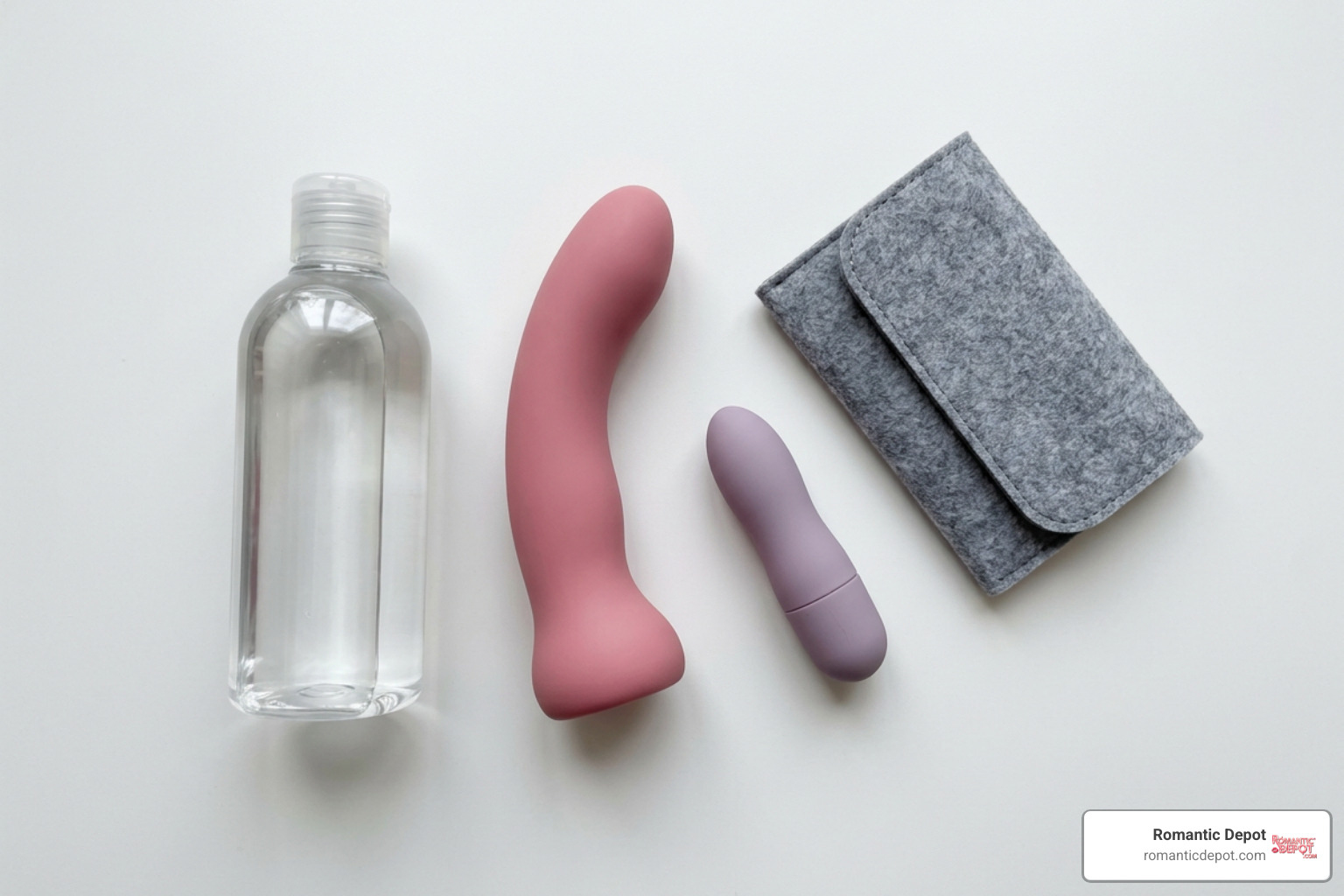
For most sex toys, start with a fragrance-free, water-based lube. It works with silicone toys and latex condoms, rinses off easily, and adds slip without risking the toy’s surface. If you want a longer-lasting lube for toys made of glass or metal, silicone-based lube may be an option. Check the toy maker’s care instructions before using it on a silicone toy.
The right match can make play more comfortable and cleanup easier. This guide will help you choose by toy material, ingredients, and how you plan to use it.
At Romantic Depot, we support making sexual wellness information more accessible. Here, we’ll help you sort through the basics of lube for toys so you can choose with confidence.
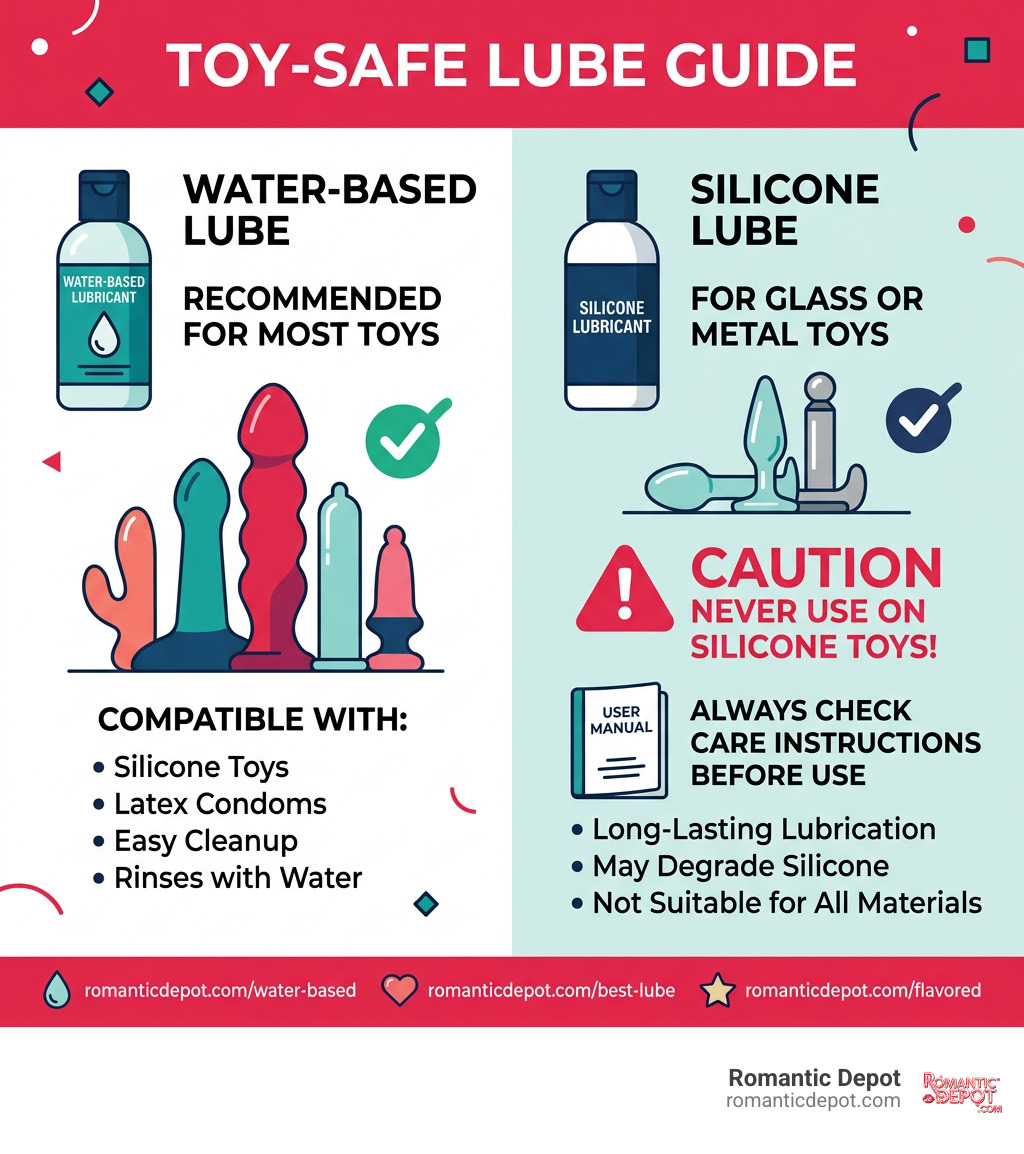
Simple guide to lube for toys:
Understanding the Best Types of Lube for Toys
Using the right lubricant is essential for both your physical comfort and the longevity of your intimate collection. When exploring the definitive guide to sex toys, one of the most critical factors you will encounter is how different materials interact with various chemical formulations. The wrong lubricant can permanently warp high-grade materials, degrade internal seals, or cause friction that leads to micro-tears in delicate mucosal tissue.
Understanding these formulas ensures your intimate sessions remain safe, seamless, and deeply satisfying.
Water-Based Lubricant: The Gold Standard Lube for Toys
Water-based personal lubricants are widely considered the universal standard across the sexual wellness industry. Their primary advantage lies in their neutral formulation: because they utilize purified water as their base agent, they do not chemically interact with medical-grade silicone, elastomers, or plastics.
Furthermore, exploring the versatility of water-based formulas highlights their ease of maintenance. They are naturally water-soluble, meaning they rinse completely clean with warm tap water and will not leave stubborn oil stains on bedding or clothing. While water-based formulas can evaporate or absorb into the skin over extended sessions, a light mist of water or a quick reapplication instantly restores full glide.
Silicone-Based Formulas: When and Where to Use Them
Silicone lubricants offer exceptional slip, a velvety texture, and unparalleled longevity. Because silicone molecules do not absorb into human skin or dissolve in water, these formulas maintain continuous glide without drying out. This makes them ideal for extended play sessions or water-based intimacy in the shower or bath.
However, silicone lubricants carry a strict material limitation: they should never be paired with silicone sex toys. Instead, save these long-lasting formulas for non-porous devices made from materials like borosilicate glass, stainless steel, or ceramic.
Oil-Based and Hybrid Options: Potential Risks and Limitations
Oil-based lubricants—including natural oils like coconut or jojoba, as well as mineral-oil formulations—present significant risks when paired with adult novelties. Oils cause rapid degradation of latex condoms and break down porous toy materials like thermoplastic elastomers (TPE) and CyberSkin.
Hybrid lubricants blend water and a small percentage of silicone to extend glide while attempting to preserve water-solubility. While convenient for partnered intercourse, even low concentrations of silicone in hybrid formulas can erode silicone devices over time.
Matching Lubricants to Toy Materials
Choosing a lubricant requires evaluating the chemical construction of your pleasure device.
| Toy Material | Water-Based Lube | Silicone-Based Lube | Oil-Based Lube |
|---|---|---|---|
| Medical-Grade Silicone | Compatible & Safe | Incompatible (Causes Degradation) | Incompatible (Softens Material) |
| Borosilicate Glass | Compatible & Safe | Compatible & Safe | Compatible (Hard to Clean) |
| Stainless Steel / Metal | Compatible & Safe | Compatible & Safe | Compatible (Hard to Clean) |
| TPE / TPR / CyberSkin | Compatible & Safe | Incompatible | Incompatible (Melts Material) |
| Hard ABS Plastic | Compatible & Safe | Compatible & Safe | Incompatible |
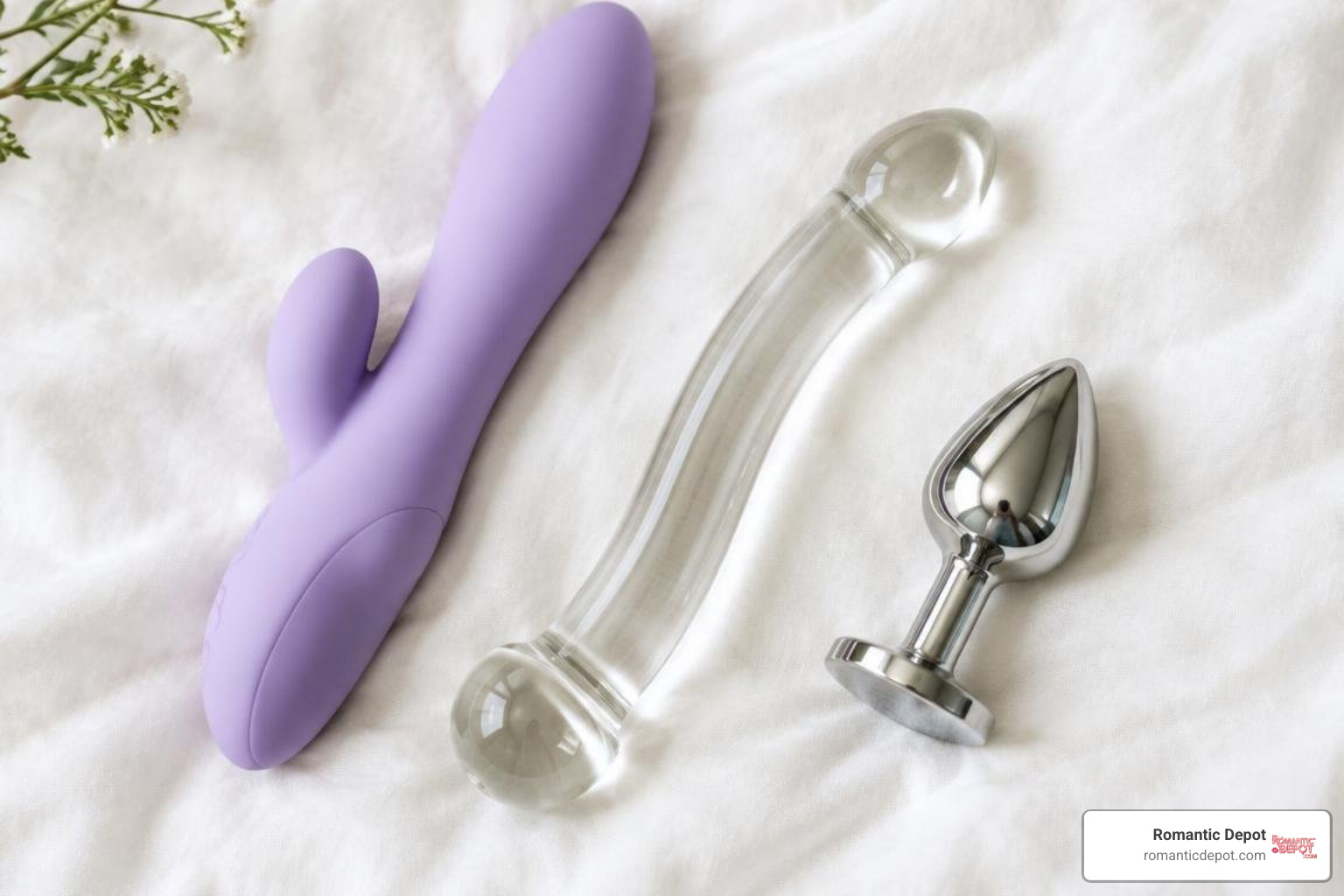
When choosing body safe pleasure toys, understanding these material distinctions guarantees both physical safety and product durability.
Silicone Toys and Chemical Reactions
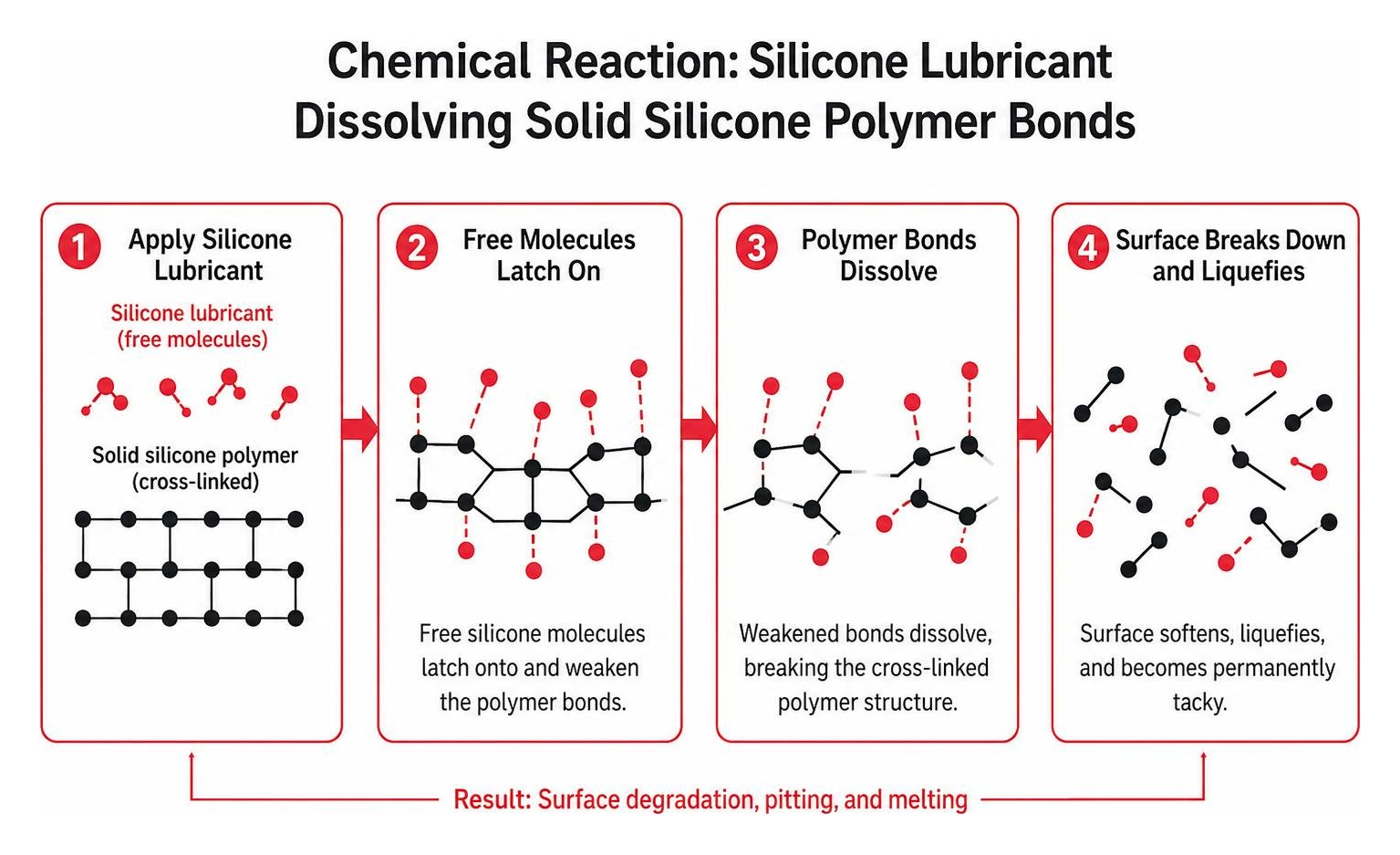
Silicone is a polymer consisting of repeating siloxane units. When you apply a silicone-based fluid onto a silicone device, a chemical reaction occurs: the free silicone molecules in the liquid latch onto and dissolve the cross-linked polymers of the solid toy.
This process causes the surface of your device to soften, liquefy, and become permanently tacky. Over time, surface pitting and melting create tiny microscopic crevices that harbor bacteria, rendering the item unsanitary and structurally compromised.
Non-Porous Toys: Glass, Metal, and Ceramic
Rigid, non-porous materials such as borosilicate glass, polished stainless steel, and ceramic feature completely non-reactive surfaces. These materials have no chemical vulnerability to silicone or water, giving you complete freedom over your lubricant choice.
Silicone lubricant works exceptionally well with heavy glass wands and chilled or warmed metal probes, providing an ultra-slick, frictionless glide that complements the rigid density of the material.
Porous Materials: TPE, TPR, and CyberSkin
Thermoplastic Elastomer (TPE) and Thermoplastic Rubber (TPR) are softer, highly flexible materials frequently used in realistic sleeves and novelty toys. These compounds are inherently porous and highly sensitive to external solvents.
Silicone and oil lubricants will penetrate these pores, causing structural softening, permanent warping, and bacterial retention. Use only pure, water-based lubricants with TPE and TPR devices, and always dry and powder them with pure cornstarch after washing to maintain their texture.
Body-Safe Ingredients and Health Considerations
Your internal mucosal tissues are delicate, highly vascularized, and quick to absorb topical chemicals. Selecting a lubricant requires looking closely at the ingredient list to ensure optimal biocompatibility and pH balance.
Ingredients to Avoid for Sensitive Skin and Vaginal Health
Many conventional over-the-counter lubricants contain synthetic additives that can disrupt natural biological defenses. To safeguard your intimate wellness, watch out for these common irritants:
- Glycerin: A sugar alcohol that can feed opportunistic yeast, potentially triggering yeast infections in individuals prone to vaginal flora imbalances.
- Propylene Glycol: A synthetic humectant that increases the product’s osmolality, drawing moisture out of mucosal cells and leading to tissue irritation or micro-tears.
- Parabens (Methylparaben, Propylparaben): Synthetic preservatives that may trigger contact dermatitis and disrupt endocrine balance.
- Synthetic Fragrances and Dyes: Unnecessary chemical additives that frequently cause burning, itching, or allergic reactions.
- Numbing Agents (Benzocaine, Lidocaine): Desensitizing chemicals that mask pain signals, increasing the risk of tissue trauma during play.
pH Balance and Condom Compatibility
The healthy human vagina maintains an acidic pH between 3.8 and 4.5, supported by protective Lactobacillus bacteria. Introducing lubricants with alkaline pH levels or hyperosmolar properties can strip away this protective barrier, leading to bacterial vaginosis (BV) or discomfort. Look for balanced formulas that mirror natural bodily fluids.
For safe sex practices, review our comprehensive guide to sexual lubricants. Water-based and pure silicone lubricants are fully compatible with latex and polyisoprene condoms, whereas oil-based lubricants rapidly compromise latex integrity, causing tears within minutes.
Matching Lubrication to Play Styles
Different intimate activities require specific physical properties from a lubricant, such as slip, cushion, and staying power.
How Viscosity and Longevity of Lube for Toys Affect Pleasure
Viscosity refers to the thickness of a liquid:
- Thin, Liquid Formulas: Offer rapid, natural slip that mimics natural lubrication, making them ideal for quick solo sessions with clitoral stimulators or vibrating bullets.
- Thick, Gel-Based Formulas: Provide a dense cushioning effect that protects sensitive tissues during intense vibration or deep penetration. Gels stay where you apply them without running, making them an excellent choice for larger insertion devices.
Oral, Vaginal, and Anal Toy Play Strategies
- Oral Play: If your play involves transitioning between oral stimulation and toy use, consider gentle flavored lubricants formulated without artificial sugars. Silicone formulas should never be ingested and must be avoided during oral contact.
- Vaginal Play: Prioritize isotonic, water-based lubes that match the natural vaginal environment to avoid throwing off delicate microflora.
- Anal Play: The rectum does not produce natural lubrication, making generous application mandatory. Choose specialized thick anal lubricants with high viscosity to cushion the sphincter muscles and ensure safe, comfortable relaxation.
Toy Maintenance, Cleaning, and Longevity
Proper hygiene protects your health and extends the lifespan of your pleasure collection.
- Immediate Rinsing: Following solo or partnered play, promptly rinse your device under warm running water.
- Proper Cleansing: Wash the entire surface using a mild, unscented antibacterial soap or a dedicated sex toy cleaner. Follow our step-by-step post-play cleaning methods to prevent residue buildup.
- Protecting Battery Compartments: Avoid submerging non-waterproof devices; instead, carefully wipe down handles and control interfaces with a damp soapy cloth.
- Drying and Storage: Pat the toy dry with a clean, lint-free microfiber towel and allow it to air-dry completely. Store your toys individually in breathable pouches to prevent different materials from reacting with one another.
- Responsible Disposal: When older or damaged devices reach the end of their operational life, check proper municipal disposal guidelines to ensure responsible handling of electronic components and consumer plastics.
Frequently Asked Questions About Toy Lubricants
Can you ever use silicone lube on a silicone sex toy?
No. Silicone lubricant bonds chemically with solid silicone, melting and pitting the surface permanently. This damages the toy, harbors bacteria, and immediately voids manufacturer warranties.
What type of lubricant do gynecologists recommend?
Gynecologists widely recommend hypoallergenic, water-based lubricants that are isotonic, fragrance-free, and formulated within a healthy pH range of 3.8 to 4.5.
What is the easiest way to clean toy-safe lubricants from devices?
Water-based lubricants wash off effortlessly with warm water and mild antibacterial soap. Silicone formulas on glass or metal devices require warm water and a dedicated toy wash to strip away the water-resistant film.
Conclusion
Choosing the right lubricant is the simplest, most effective way to elevate your intimate comfort while protecting your favorite adult devices. By matching safe, water-based formulas to your silicone collection and reserving silicone glides for non-porous glass and metal, you ensure every session is smooth, hygienic, and pleasurable.
Ready to upgrade your intimate experience? Browse our curated collection of body-safe sexual lubricants and enhancers at Romantic Depot, or stop by our welcoming locations across New York and New Jersey to speak with our knowledgeable team.