 SHOP NOW
 LOCATIONS



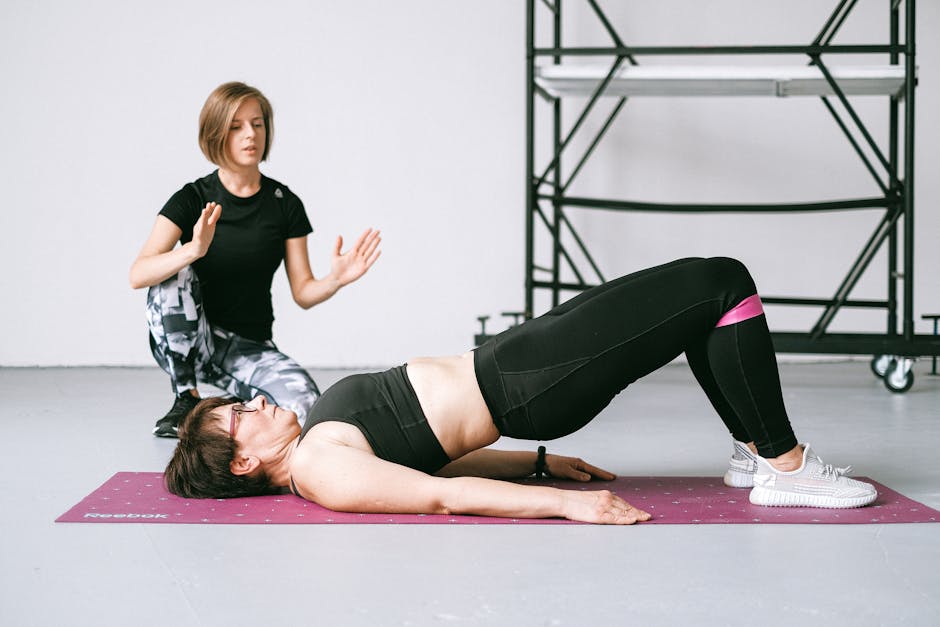

Are These Weak Pelvic Floor Symptoms Holding You Back?
Weak pelvic floor symptoms are more common than most people realize — and they can quietly affect everything from bladder control to sexual pleasure.
Here’s a quick look at the most common signs:
| Symptom | What It Feels Like |
|---|---|
| Urinary leakage | Leaking urine when you cough, sneeze, laugh, or exercise |
| Urinary urgency | Sudden, strong urge to use the bathroom |
| Vaginal heaviness | A dragging or bulging sensation in the pelvic area |
| Bowel issues | Difficulty controlling gas or stool |
| Incomplete emptying | Feeling like your bladder or bowel never fully empties |
| Pelvic pressure | Aching or fullness deep in the pelvis |
| Sexual changes | Reduced sensation, discomfort during sex, or difficulty reaching orgasm |
These symptoms often go unreported. Many people assume they’re just a normal part of aging or life after childbirth. They’re not — and they’re very treatable.
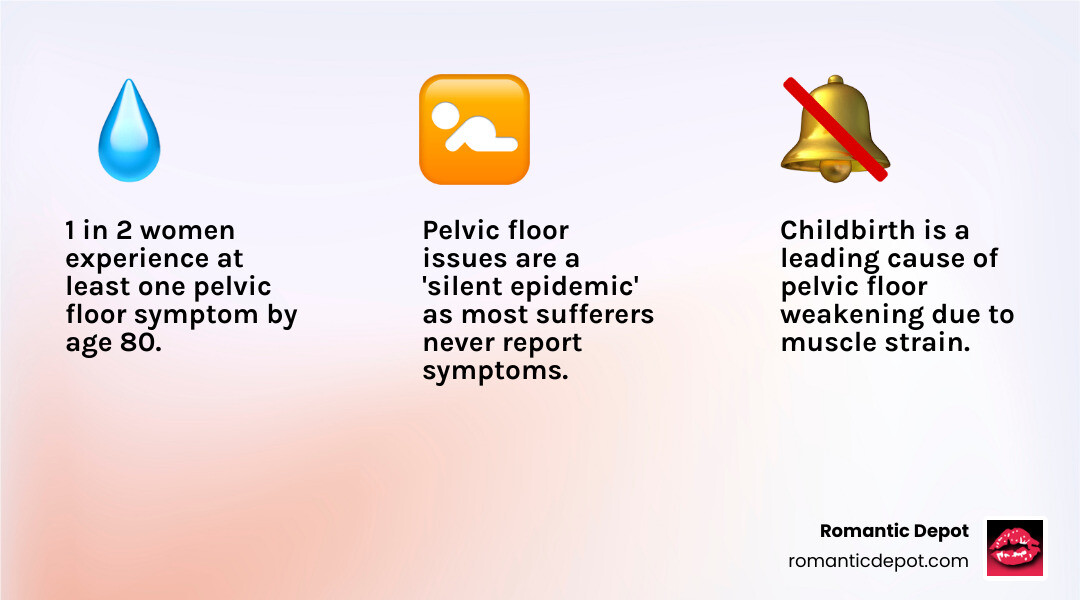
The numbers tell a striking story. One in two women will experience at least one pelvic symptom by age 80. Yet the condition is still called a “silent epidemic” because so few people speak up about it.
Your pelvic floor does a lot of quiet, invisible work. When it starts struggling, the signs show up in ways that can affect your daily life, your confidence, and your intimacy.
This guide walks you through exactly what to watch for — and what you can do about it.
Understanding the Pelvic Floor “Hammock”
At Romantic Depot, we believe that understanding your body is the first step toward reclaiming your confidence and pleasure. To understand weak pelvic floor symptoms, we first have to look at what the pelvic floor actually is.
Think of your pelvic floor as a powerful, flexible “hammock” or sling made of muscles and connective tissue. This hammock stretches from your pubic bone at the front to your tailbone at the back. Its primary job is to provide essential support for your pelvic organs, including the bladder, the uterus (in women), and the rectum.
When these muscles are healthy and toned, they keep everything in its proper place and allow you to control when you go to the bathroom. They also play a massive role in sexual health. In fact, What is Sexual Health Unpacking the Essentials for a Fulfilling Life often comes down to how well these internal support systems are functioning.
However, when this “hammock” becomes overstretched, weakened, or injured, the organs it supports can begin to drop. This is known as pelvic organ prolapse. Furthermore, if the muscles are too tight (hypertonic) and cannot relax, it can lead to chronic pain. Whether the muscles are too loose or too tense, the result is pelvic floor dysfunction.
7 Common weak pelvic floor symptoms to Watch For
Recognizing the signs of a struggling pelvic floor is the first step toward recovery. Many of our customers in Manhattan, Brooklyn, and Queens visit us looking for ways to enhance their intimate lives, only to realize that their physical discomfort is linked to pelvic floor health.
Here are seven common weak pelvic floor symptoms to keep on your radar:
- Urinary Leakage (Incontinence): This is perhaps the most well-known symptom. If you find yourself leaking a little bit of urine when you laugh, cough, sneeze, or run, your pelvic floor muscles may not be strong enough to keep the urethra closed under pressure.
- Vaginal Heaviness or Dragging: You might feel a sensation of fullness or “pulling” in the vaginal area, which often worsens by the end of a long day of standing. For more detailed information, you can browse the Be Pelvic Health Aware International Urogynecological Association (patient leaflets).
- A Visible or Felt Bulge: In cases of pelvic organ prolapse, you might actually feel or see a bulge at the vaginal opening. This occurs when the bladder, uterus, or rectum is no longer being held up properly.
- Bowel Control Issues: This includes accidentally passing wind (gas) when you don’t mean to, or experiencing fecal incontinence (leaking stool).
- Incomplete Emptying: Do you feel like you still have to go right after you’ve finished using the bathroom? This “double voiding” sensation is a classic sign that the muscles aren’t coordinating correctly to empty the bladder or bowels.
- Chronic Pelvic Pressure: A constant aching or “heaviness” deep in the pelvis that doesn’t seem to go away with rest.
- Pelvic Pain: Pain in the pelvic region, genitals, or rectum can indicate that the muscles are either too weak or dangerously overactive.
Taking care of these issues is a vital part of Sexual Self-Care Your Roadmap to a Healthier Happier You. Ignoring these signs doesn’t just affect your bathroom habits; it can significantly dampen your quality of life and self-esteem.
Sexual dysfunction as a weak pelvic floor symptom
Since the pelvic floor muscles encircle the vaginal opening and the anus, they are directly involved in sexual arousal and climax. When these muscles are weak, you might notice a significant reduction in sensation during intimacy. Some women report feeling “numb” or less “tight” than they used to, which can make it harder to reach orgasm.
On the flip side, if the muscles are too tight and unable to relax (hypertonicity), sex can become incredibly painful. This is often described as a sharp or burning sensation upon penetration. It’s not just a “woman’s issue,” either. Men can also suffer from pelvic floor dysfunction. For instance, How Men Over 40 Can Retain Sexual Potency often involves maintaining pelvic health to ensure proper blood flow and muscle control during sex.
Identifying weak pelvic floor symptoms during physical activity
Your pelvic floor is put to the test every time you move. Stress incontinence is a specific type of weak pelvic floor symptom that occurs during physical exertion. If you love hitting the gym in the Bronx or running through Prospect Park but find yourself avoiding certain moves because of “leaks,” your pelvic floor is likely struggling.
Common triggers include:
- Jumping (like on a trampoline or during a HIIT workout).
- Heavy lifting at the gym.
- Running or jogging.
- Sneezing or “whooping” laughter.
If you are unsure if your leakage is related to muscle weakness or a bladder issue, a doctor might recommend urodynamics These tests look at how well your bladder, sphincter and urethra store and release urine. Learn more with the International Urogynecological Association’s leaflet onurodynamics..
Why Pelvic Muscles Lose Their Strength
Why does this happen? The pelvic floor is incredibly resilient, but several life events and habits can wear it down over time. At Romantic Depot, we see customers from all walks of life—from Westchester to New Jersey—dealing with these changes.
- Pregnancy and Childbirth: This is the leading cause. The weight of the baby during pregnancy puts constant pressure on the hammock, and vaginal delivery can stretch or tear the muscles and nerves.
- Menopause: As estrogen levels drop during menopause, the pelvic tissues become thinner and less elastic, leading to a loss of support. Keeping up with Sexual Health and Wellness Latest News can help you stay informed about managing these hormonal shifts.
- Chronic Constipation: Constantly straining to have a bowel movement puts immense downward pressure on the pelvic floor, weakening it over time.
- Obesity: Carrying excess weight increases the “baseline” pressure on your pelvic organs.
- Chronic Coughing: Whether due to smoking or a condition like asthma, the repetitive “jarring” of a cough can lead to stress incontinence.
- Aging: Like any other muscle in the body, the pelvic floor can naturally lose tone as we get older if it isn’t exercised.
Strengthening Your Core: Solutions and Treatments
The good news is that the pelvic floor is made of skeletal muscle, which means—in many cases—it can be trained and strengthened!
Kegel Exercises
Kegels are the gold standard for pelvic health. To do them correctly:
- Identify the muscles: Imagine you are trying to stop the flow of urine or prevent yourself from passing gas. Those are your pelvic floor muscles.
- Squeeze and Lift: Contract those muscles, hold for 3-5 seconds, and then—this is the most important part—fully relax for 5 seconds.
- Repeat: Aim for 10 repetitions, three times a day.
For more tips on consistency, check out Making Pelvic Floor Exercise a Habit Making Pelvic Floor Exercise a Habit.
Pelvic Floor Trainers and Vaginal Weights
At Romantic Depot, we offer a variety of high-quality pelvic floor trainers and Ben Wa balls. These devices provide “biofeedback”—they give your muscles something to grip against, making your exercises much more effective. Using a weighted trainer can help you progress faster than doing “naked” Kegels alone. This is a great step on Your Journey to Sexual Health and Happiness.
Lifestyle Changes
- Hydration and Fiber: Prevent constipation to stop the straining.
- Weight Management: Reducing even a small amount of weight can take significant pressure off the pelvic floor.
- Proper Lifting: Always lift with your legs, never your back or by “bearing down” on your pelvic area.
When to See a Specialist
While home exercises are fantastic, some weak pelvic floor symptoms require professional intervention. If your symptoms are interfering with your daily life, it’s time to see a Urogynecologist or a Pelvic Health Physiotherapist.
In some cases, a doctor may need to perform a cystoscopy This procedure allows a physician to examine the inside of your bladder and urethra. Learn more with the International Urogynecological Association’s leaflet oncystoscopy. to rule out other bladder issues.
Comparing Treatment Options
| Feature | Pelvic Floor Physical Therapy | Surgical Options |
|---|---|---|
| Invasiveness | Non-invasive; hands-on exercises | Invasive; requires anesthesia |
| Recovery Time | None | Weeks to months |
| Success Rate | High for mild to moderate cases | High for severe prolapse |
| Risk Level | Very Low | Moderate (infection, mesh issues) |
If you are in the New York City area, there are many world-class specialists in Manhattan and Brooklyn who can help you navigate these choices.
Frequently Asked Questions about Pelvic Health
How long does it take to see results from Kegel exercises?
Most people begin to notice an improvement in bladder control and sensation after 4 to 6 weeks of consistent, daily exercise. However, for significant changes in muscle tone, it can take up to 3 months. Consistency is key!
Can men experience symptoms of a weak pelvic floor?
Absolutely. Men have pelvic floors too! Men may experience urinary leaking after prostate surgery, erectile dysfunction, or pelvic pain. Pelvic floor exercises are just as beneficial for men as they are for women.
Is surgery the only option for pelvic organ prolapse?
No. Many people manage prolapse successfully using a “pessary” (a small device inserted into the vagina to hold organs in place) or through targeted pelvic floor physical therapy. Surgery is usually reserved for severe cases where quality of life is significantly impacted.
Conclusion
Your pelvic floor is the foundation of your core and the gateway to your sexual wellness. Recognizing weak pelvic floor symptoms isn’t something to be embarrassed about—it’s an opportunity to take control of your body.
At Romantic Depot, we are dedicated to your empowerment. Whether you’re visiting our Brooklyn megastore or our locations in Elmsford, West Nyack, or New Jersey, our staff is here to help you find the tools you need to feel your best. From advanced pelvic floor trainers to the latest in sexual wellness education, we are your premier destination for a healthier, happier you.
Don’t let a struggling pelvic floor keep you from living your best life. Visit Romantic Depot for Sexual Health and Wellness News and explore our range of products designed to support your journey.